

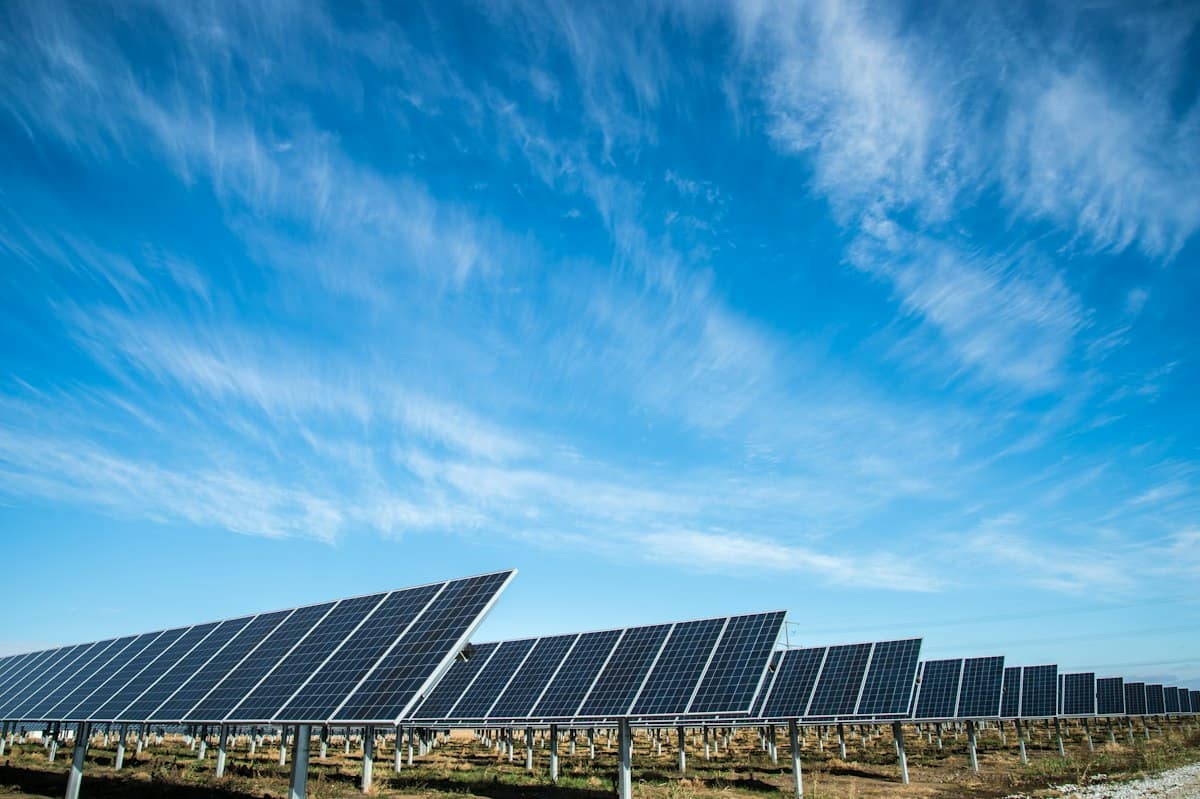
Dust, harmattan haze and bird droppings can cut panel output by 10-20%. Proper solar panel maintenance in Nigeria is simple, cheap, and protects a multi-million-naira investment. Here is exactly what to do.
| Task | How often | When |
|---|---|---|
| Clean the panels | Every 4-6 weeks | Dry season; rain does most of it in the wet season |
| Check mounting bolts and cables | Twice a year | Either season |
| Check the inverter | Annually | Either season |
| Check battery terminals | Every 3 months | Dry season only |
How Often Should You Maintain Solar Panels in Nigeria?
Clean panels every 4-6 weeks in the dry season (less often in the rainy season, as rain helps). Inspect mounting bolts, cables and connectors twice a year. Have a technician service the inverter annually. Panel makers like JinkoSolar recommend keeping the glass free of shading dirt for warranty performance.
How to Clean Solar Panels Safely
- Clean early morning or late evening — never on hot midday glass.
- Use clean water, a soft sponge or microfibre cloth, and mild soap if needed.
- Rinse gently; never use abrasive brushes, bleach or high-pressure washers.
- Work from a safe position — never walk on the panels.
What Else to Check During Solar Panel Maintenance
Look for cracked glass, yellowing or hot spots, loose mounting clamps, chewed or exposed cables, and shading from new tree growth or new structures. Check your monitoring app: a sudden drop from one string of panels signals a fault. See our beginner’s guide to understand each component, and browse replacement panels if one is damaged.
What You Must Never Do
Almost all panel damage we replace comes from maintenance done with good intentions and the wrong
method. These are the things to avoid.
- Never clean at midday on hot glass. Cold water on a hot panel causes thermal
shock and can micro-crack the cells. Clean early morning or late evening. This is the most common
mistake on the list. - Never step on the panels. They are not a walkway. Foot traffic cracks cells in
ways you cannot see until months later, and it voids most warranties. - Never let an unqualified hand re-terminate an MC4 connector. A crimped or
poorly seated connector is a fire waiting for a hot afternoon. If a cable is damaged, have a
technician do it. - Never clean with a metal tool or abrasive. Soft brush, clean water, no
detergent, no solvents. - Never work on the array yourself if it is grid-connected. Isolate it properly,
or better, have a technician do the work above roof level.
The Safety Cut-Out Nobody Warns You About
If your system is grid-connected, the array and the mains are both live even when your inverter
says it is off. Cutting the inverter does not make the roof safe.
Before any cleaning above roof level on a grid-tied system, the array needs to be isolated at
the correct point and the voltage verified as dead by someone who does this for a living. On a
string inverter this is usually a labelled disconnect; on some microinverter and string designs it
is not obvious at all.
This is the single best reason to have a maintenance visit done by a technician rather than by a
neighbour with a bucket: not the cleaning, which is easy, but the isolation, which is not.
How to Tell Whether Your System Needs Attention
Watch for these four signs, and they are cheap to check before they are expensive to ignore.
- The inverter error light comes on at the same time each day. Usually a
recurring load surge, often the AC or water pump. Note the time and tell whoever services it. - One string of panels reads noticeably lower than the others. Shade, dirt or a
failed panel. On a string inverter this often shows as a whole system underperformance rather than
one panel. - Output is down in the same conditions month on month. Compare like for like.
A dull cloudy Tuesday is not comparable to a bright clear one. - Any burning smell, any buzzing, any warmth at the inverter. Stop using the
system and call someone. This is not a maintenance item, it is an emergency item.
None of those four need a technician to spot. All of them need one to fix. Knowing the
difference is what the schedule in the table above is for.
Frequently Asked Questions
Q: Can rain clean my panels?
A: Partly. Light rain removes loose dust but leaves stuck-on grime; manual cleaning is still needed.
Q: Will cleaning void my warranty?
A: No, gentle cleaning is expected. Harsh chemicals or pressure washers can void it.
Q: When should I call a technician?
A: For cracked glass, burnt connectors, inverter error codes, or unexplained output drops — see our inverter FAQ.
Conclusion
Thirty minutes of cleaning every month protects thousands of naira in lost generation. Need help? Book a maintenance visit.
- Call us: +234 81260 70076
- Visit us: Plot 228 Agric Estate, Ilorin, Kwara State
Feezlinkz Solar Energy — Powering Nigeria, One Home at a Time.
About the Author
ABDULHAFEEZ OYEWO is a solar energy expert at Feezlinkz Solar Energy, Ilorin, Nigeria, with over 5 years of experience in installations and maintenance.
Shop the products in this guide
Prices are on each product page. Not sure which one you need?
Pay today and we deliver within 12 hours in Ilorin, or within 48 hours anywhere else in Nigeria. On orders over ₦400,000 or any full kit, we agree the date with you on WhatsApp before we dispatch.
Ask us on WhatsApp about “Solar Panel Maintenance Guide for Nigerian Homes (2026)”
0 Comments