
Nigeria is a country with enormous energy potential. With abundant sunshine throughout the year, solar energy represents one of the most practical and sustainable solutions for the country’s power challenges. Yet, many Nigerians still do not fully understand how solar energy works, what it costs, or how it can benefit them.
In this complete guide on how solar panels work in Nigeria, we will cover everything you need to know about solar energy in Nigeria. Whether you are a homeowner looking to reduce your electricity bills, a business owner seeking energy independence, or simply curious about solar technology, this article will provide you with the knowledge you need to make informed decisions.
What Is Solar Energy? How Solar Panels Work in Nigeria
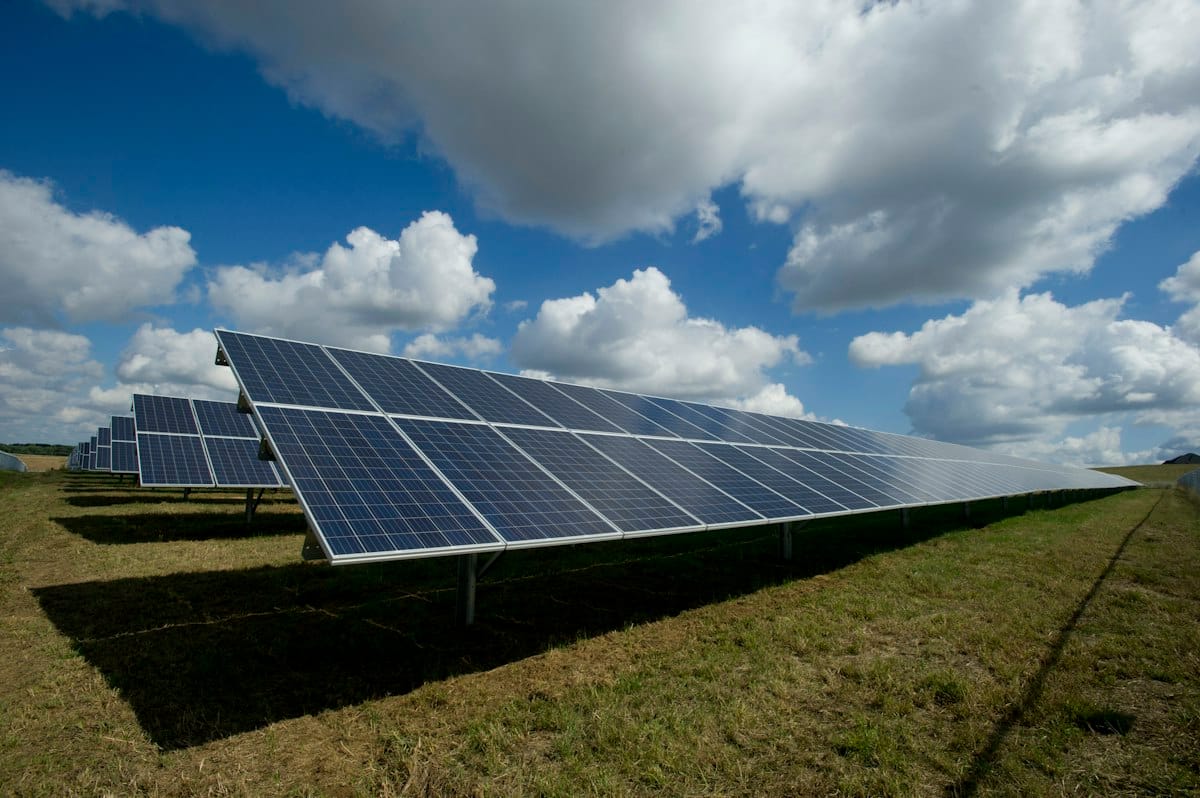
Solar energy is power generated from sunlight. Solar panels contain photovoltaic cells that convert sunlight into electricity through the photovoltaic effect. This electricity can then be used to power homes, businesses, and industries.
Nigeria is uniquely positioned for solar energy adoption. The country receives an average of 5-6 hours of peak sunlight per day, with the northern regions receiving even more. This makes solar energy one of the most viable renewable energy sources for the country. According to the International Energy Agency, solar PV is now one of the cheapest sources of new electricity worldwide.
How Solar Energy Works in Nigeria
A typical solar power system in Nigeria consists of four main components:
Solar Panels: These are installed on your roof or on a ground-mounted structure. They capture sunlight and convert it into direct current (DC) electricity. The panels are designed to withstand Nigerian weather conditions, including high temperatures and heavy rainfall.
Inverter: The inverter is the heart of the system. It converts the DC electricity from the solar panels into alternating current (AC) electricity, which is the type of electricity used by your home appliances. Modern inverters also manage the flow of electricity between the panels, batteries, and grid.
Battery Storage: Batteries store excess electricity generated during the day for use at night or during power outages. Lithium batteries are the preferred choice for Nigerian homes due to their longer lifespan, higher efficiency, and lower maintenance requirements.
Mounting Structure: This is the framework that holds the solar panels in place. It must be strong enough to withstand wind and weather, and it must be positioned to maximize sunlight exposure.
The Benefits of Solar Energy in Nigeria
1. Reduced Electricity Bills
The most immediate benefit of solar energy is the reduction in your electricity bills. Most Nigerian homeowners who switch to solar save between 70-90% on their monthly energy costs. Over time, these savings add up to significant amounts.
2. Reliable Power Supply
Nigeria’s grid electricity is notoriously unreliable. With solar energy and battery storage, you can enjoy a consistent power supply 24 hours a day, 7 days a week. No more waking up to a warm fridge or a dark house.
3. Energy Independence
Solar energy frees you from dependence on the grid and the volatile fuel market. You generate your own power, and no one can take it away from you. This is particularly valuable in areas where grid power is unreliable or unavailable.
4. Environmental Impact
Solar energy is clean and renewable. By switching to solar, you reduce your carbon footprint and contribute to a cleaner environment. A typical 5.5KVA solar system reduces carbon emissions by approximately 5 tonnes per year.
5. Increased Property Value
Homes with solar systems sell faster and at higher prices. A solar installation can increase your property value by 5-10%, making it a smart investment for the future.
6. Low Maintenance
Solar systems require minimal maintenance. Unlike generators, there are no moving parts to wear out, no oil to change, and no fuel to buy. Simply clean your panels every few months and enjoy reliable power for decades.
Types of Solar Systems Available in Nigeria
Off-Grid Solar Systems
Off-grid systems are completely independent of the grid. They generate all the electricity you need and store it in batteries for use at night or during outages. These systems are ideal for rural areas without grid power or for homeowners who want complete energy independence.
Grid-Tied Solar Systems
Grid-tied systems are connected to the grid. They use solar power during the day and grid power at night. Excess solar energy can be sold back to the grid where net metering is available. These systems are ideal for urban areas with reliable grid power.
Hybrid Solar Systems
Hybrid systems combine the best of both worlds. They use solar power during the day, store excess energy in batteries, and use the grid as a backup. These systems are the most popular choice for Nigerian homes because they offer the most flexibility and reliability.
How Much Does Solar Energy Cost in Nigeria?
The cost of solar energy in Nigeria varies depending on the size and type of system you need. Here is a general price guide:
System Size
1.3KVA
Price Range (₦): 800,000 – 1,200,000
Monthly Savings (₦): 15,000 – 25,000
- Components: 2 panels, 1.3KVA inverter, 1 battery
2.3KVA
Price Range (₦): 1,500,000 – 2,000,000
Monthly Savings (₦): 25,000 – 40,000
- Components: 3 panels, 2.3KVA inverter, 2 batteries
3.5KVA
Price Range (₦): 2,500,000 – 3,500,000
Monthly Savings (₦): 40,000 – 60,000
- Components: 4 panels, 3.5KVA inverter, 2 batteries
5.5KVA
Price Range (₦): 4,000,000 – 5,500,000
Monthly Savings (₦): 60,000 – 100,000
- Components: 6 panels, 5.5KVA inverter, 4 batteries
10KVA
Price Range (₦): 7,000,000 – 9,000,000
Monthly Savings (₦): 100,000 – 180,000
- Components: 10 panels, 10KVA inverter, 8 batteries
While the upfront cost may seem high, it is important to consider the long-term savings. Most solar systems pay for themselves within 4-7 years, after which your electricity is essentially free.
How to Choose the Right Solar System in Nigeria
Choosing the right solar system size is crucial for getting the most out of your investment. Here is a simple step-by-step guide:
Step 1: Calculate Your Energy Consumption
List all your appliances and their power consumption. Add up the total wattage and multiply by the number of hours you use them each day. This will give you your daily energy consumption in watt-hours (Wh).
Step 2: Account for System Losses
Solar systems are not 100% efficient. Add 30% to your calculated consumption to account for losses in the inverter, wiring, and panels.
Step 3: Calculate Required Panel Capacity
Divide your adjusted daily consumption by the number of peak sun hours in your area (typically 5 hours in Nigeria). This will give you the minimum panel capacity you need.
Step 4: Match with Inverter and Battery
Your inverter must be able to handle the total wattage of your panels, and your battery must be able to store enough energy to power your home through the night.
Common Solar Myths in Nigeria
Myth 1: Solar panels do not work during the rainy season.
Fact: Solar panels still generate power during the rainy season, though output is reduced by 30-50%. A properly sized system with adequate battery storage will still meet your needs.
Myth 2: Solar panels damage your roof.
Fact: When installed correctly by professionals, solar panels do not damage your roof. In fact, they can protect your roof from weather damage.
Myth 3: Solar systems require a lot of maintenance.
Fact: Solar systems require minimal maintenance. Clean your panels every 2-3 months and have your inverter serviced every 2-3 years.
Myth 4: Solar batteries last only 1-2 years.
Fact: Quality lithium batteries last 10-15 years or 3,000-5,000 charge cycles.
Myth 5: Solar is only for the rich.
Fact: Solar is now affordable for most Nigerian middle-class families. A basic solar system costs less than a year’s worth of generator fuel.
Why Choose Feezlinkz Solar Energy?
At Feezlinkz Solar Energy, we have been helping Nigerian families and businesses make the switch to solar power for over 15 years. Here is what sets us apart:
- Quality Products: We only stock solar products from reputable manufacturers with proven track records.
- Professional Installation: Our certified technicians install your system safely and efficiently.
- Comprehensive Warranty: All our systems come with manufacturer warranties and our own workmanship guarantee.
- Nationwide Delivery: We deliver to all 36 states in Nigeria.
- After-Sales Support: We provide ongoing maintenance, technical support, and warranty services.
- Free Consultation: We offer free site assessments and personalized recommendations.
Frequently Asked Questions
Q: How long does it take to install a solar system?
A: Most residential systems are installed within 1-3 days, depending on the size and complexity of the installation.
Q: Do I need a permit to install solar in Nigeria?
A: For residential systems, no permit is typically required. For commercial and industrial systems, you may need to comply with local regulations.
Q: How long do solar panels last?
A: Solar panels last 25-30 years with proper maintenance. Most come with a 25-year performance warranty.
Q: Can I expand my solar system later?
A: Yes! You can add more panels and batteries as your needs grow. We design our systems with expansion in mind.
Q: Is solar energy safe?
A: Yes, solar energy is very safe. Our systems are installed by certified technicians and comply with all relevant safety standards.
Conclusion
Solar energy is no longer a luxury for the wealthy — it is a practical, affordable solution for Nigerian homes and businesses. With falling prices, rising electricity tariffs, and unreliable grid power, there has never been a better time to switch to solar.
At Feezlinkz Solar Energy, we are committed to helping every Nigerian enjoy the benefits of clean, reliable solar power. Contact us today for a free site assessment and take the first step toward energy independence.
Ready to make the switch?
- Call us: +234 81260 70076
- Email us: [email protected]
- Visit us: Plot 228 Agric Estate, Ilorin, Kwara State
- Get a free solar assessment: tell us your needs and we will size the right system.
- Shop solar products: browse inverters, batteries and panels with nationwide delivery.
- Our services: solar inverter installation, battery storage and CCTV.
Feezlinkz Solar Energy — Powering Nigeria, One Home at a Time.
About the Author
ABDULHAFEEZ OYEWO is a solar energy expert and the lead content writer at Feezlinkz Solar Energy, Ilorin, Nigeria. With over 5 years of experience in renewable energy systems, inverter technology, and CCTV security solutions, Abdulhafeez has helped hundreds of Nigerian homeowners and businesses transition to reliable, affordable solar power.
Related Posts:
- Solar Energy Nigeria — The Complete Guide for Homes and Businesses (2026)
- Electric Cars 2025 — Global Sales Data & What It Means for Nigeria
- Our solar services and inverter FAQ
Ready to price this yourself? Every product we sell is listed at the price we charge today in our shop. Send your appliance list on WhatsApp, or call +234 81260 70076, and we will size it and send a written quote that names every line. Pay today and we deliver within 12 hours in Ilorin, or within 48 hours anywhere else in Nigeria.
Shop the products in this guide
Prices are on each product page. Not sure which one you need?
Pay today and we deliver within 12 hours in Ilorin, or within 48 hours anywhere else in Nigeria. On orders over ₦400,000 or any full kit, we agree the date with you on WhatsApp before we dispatch.
Ask us on WhatsApp about “How Solar Panels Work in Nigeria — Complete Beginner’s…”
9 Comments
[…] After the assessment, we recommend a system size — from a compact 1.3KVA setup to a full 10KVA home solution — and give you a written quotation. The price we quote is the price you pay. Browse indicative options in our solar shop or read our beginner’s guide to how solar panels work. […]
[…] A 5KW system comfortably powers a fridge, freezer, 2 TVs, fans, lights, laptops, washing machine, microwave and small water pump. It will not reliably carry two 1.5HP air conditioners plus an electric cooker at the same time — size up to 10KVA for that. Learn how sizing works in our beginner’s solar guide. […]
[…] Analog systems are cheaper upfront but offer lower resolution and limited remote viewing. IP systems cost 40-60% more yet deliver HD video, phone viewing and smart alerts. For most homes, a 4-camera IP system is the best value. Pair it with solar backup so outages never blind your cameras — read our solar beginner’s guide. […]
[…] harder. For 8 hours of night cooling you need about 8.8 kWh of stored energy. Use our method in the solar sizing guide to confirm your own […]
[…] 10 years — our office at Plot 228 Agric Estate, Ilorin is not going anywhere. Pair that with our maintenance guidance and your system stays at peak […]
[…] Most households save 70-90% on energy costs — typically ₦40,000-₦150,000 monthly. A 5.5KVA system pays for itself in about 5 years, then generates nearly free power for 20+ more. See exact numbers in our solar cost and savings guide. […]
[…] Buy from trusted stock — browse tested panels — and follow our maintenance basics. […]
[…] Check your monitoring app: a sudden drop from one string of panels signals a fault. See our beginner’s guide to understand each component, and browse replacement panels if one is […]
[…] A hijacked inverter can be shut down remotely or misconfigured to damage batteries. Ten minutes of hardening prevents it. Pair security with reliable hardware from our inverter range and the sizing advice in our solar guide. […]
Products
₦ 270,000Original price was: ₦ 270,000.₦ 265,000Current price is: ₦ 265,000.₦ 270,000Original price was: ₦ 270,000.₦ 260,000Current price is: ₦ 260,000.Recent Posts
Recent Comments
Categories
Login or Create an Account
Talk to us today
☎+234 81260 70076Call usChat on WhatsApp