

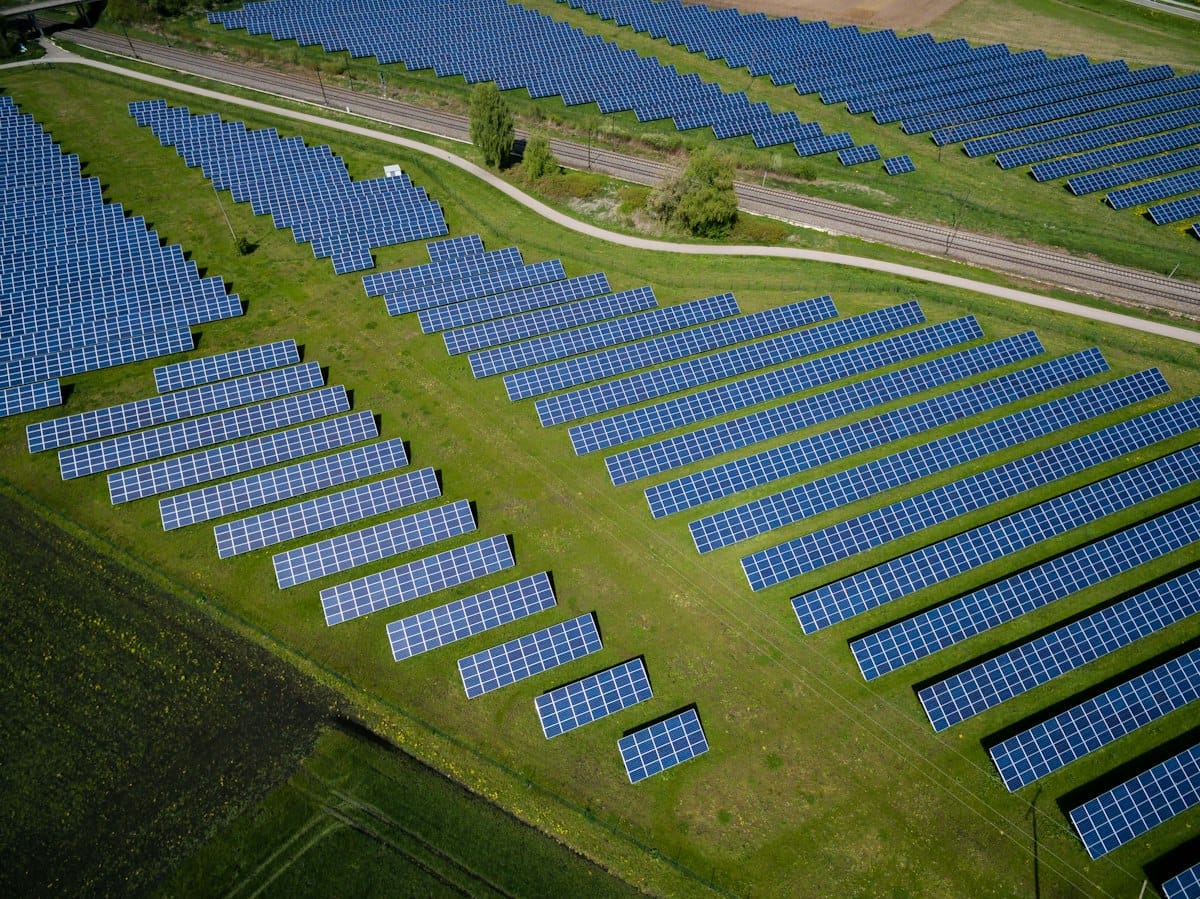
A 5KW solar system is the sweet spot for many Nigerian 3-bedroom homes and small businesses. But what does the 5KW solar system cost in Nigeria in 2026? Here is an honest, item-by-item breakdown.
5KW Solar System Cost in Nigeria: Price Breakdown
| Component | Specification | Price (₦) |
|---|---|---|
| Solar panels | 7 x 700W mono panel | 1,029,000 |
| Inverter | 5.5KVA hybrid inverter | 2,900,000 |
| Batteries | 4 x 12V lithium battery | 1,040,000 |
| Installation & accessories | Cables, mounting, labour | 400,000 |
| Total | ~5,370,000 |
Where these two prices come from. The panel line is 7 × ₦147,000, the exact price of our 700W solar panel. The battery line is 4 × ₦260,000, the exact price of our Cworth 12V lithium battery; the Sukam 12.8V equivalent is ₦265,000 each, which makes the battery line ₦1,060,000 and the total ₦5,390,000.
Two honest notes on that table. First, the inverter and installation lines are working estimates we price for your site, not catalogue prices, because we do not list a 5.5 kVA hybrid inverter in the shop yet — ask us for the current figure and we will send it in writing. Second, capacity: these battery units are sold by chemistry and voltage, so confirm the amp-hour rating your installer is specifying before you buy. Our own battery bank sizing guide works out how much capacity you actually need.
Before You Settle for Four 12V Batteries, Consider One 10 kWh Unit
This is the decision that costs a buyer the most money in the long run, so it is worth reading twice.
Four 12V lithium batteries give you roughly 9.6 kWh of storage, and they are the right answer for a flat, a single room or a small shop. For a 3-bedroom home running a 5 kW system, a single 10 kWh lithium battery is often the better buy: one unit instead of four to mount, cable and maintain, one warranty to track, and about the same storage.
| Battery option | Shop price | 5KW system total |
|---|---|---|
| 4 x 12V lithium (Cworth ₦260,000 each) | 1,040,000 | ~5,370,000 |
| 4 x 12.8V lithium (Sukam ₦265,000 each) | 1,060,000 | ~5,390,000 |
| 1 x 10 kWh lithium (SMS) | 1,900,000 | ~6,230,000 |
| 1 x 10 kWh lithium (Felicity) | 2,000,000 | ~6,330,000 |
All four figures are live shop prices, and all four totals include the same panels, inverter and installation line. The gap between the cheapest and dearest battery choice on this page is about ₢960,000 — but the four-unit option means four units to find space for, four sets of terminals to keep clean, and four batteries to replace eventually. Price your own consumption before you decide; capacity should come from your numbers, not from a round figure.
Prices vary by brand. A budget build with a Sukam inverter can cost less, while premium brands like Victron cost more. See ready options in our solar shop.
What Can a 5KW System Power?
A 5KW system comfortably powers a fridge, freezer, 2 TVs, fans, lights, laptops, washing machine, microwave and small water pump. It will not reliably carry two 1.5HP air conditioners plus an electric cooker at the same time — size up to 10KVA for that. Learn how sizing works in our beginner’s solar guide.
Savings and Payback Period
A household spending ₦100,000 monthly on grid plus fuel saves roughly ₦90,000 monthly with a 5KW system. Payback is typically 5-6 years, after which power is nearly free for the remaining 20+ year panel lifespan.
Hardware Only, or Installed? Know Which Number You Are Reading
This is the single most useful thing on this page, and it costs nothing.
When you collect three quotes, one supplier will quote panels, inverter, batteries and
accessories. Another will quote the same list plus labour, transport, mounting structure and
commissioning. A third may quote only the inverter. Those three numbers are not comparable, and the
cheapest one is not the cheapest system.
So ask every supplier for two figures, in writing:
- Hardware total — panels, inverter, batteries, mounting, cables, protection.
- Installed total — the hardware total plus labour, transport, switchboard
changes, commissioning and certification.
Then compare like with like. A hardware quote that looks 30% cheaper usually means labour is
missing, and labour is where a bad install becomes an unsafe one.
The itemised table on this page is a hardware breakdown. Whether your final number matches it
depends on the rest of your setup, which is exactly why the consultation matters.
What Actually Changes the Price
Two systems of the same size can differ by a wide margin. These are the levers.
- Brand tier. This is the single biggest lever and the easiest to get wrong.
There is budget, mid and premium at every component. You can spend little on the inverter and
discover it in year three, or spend on premium panels and save nothing, because a panel does not
do the work an inverter does. - Battery chemistry. Lead-acid is cheaper up front and much heavier and
shorter-lived. Lithium costs more and generally pays back within its life. This is the most
consequential decision on the whole system. - Roof distance and cable run. The longer the run from the array to the
battery room, the heavier the cable must be and the more it costs. A good install keeps the array,
inverter and battery close together. - Switchboard work. If your existing switchboard is old, adding a hybrid inverter
may require a replacement or an upgrade. This is a real line item and a real cost that is often
missing from the first quote. - Meter work. Some installations need the meter changed or reconfigured for
grid-tied operation. - Roof structure. If the roof needs strengthening, or there is no suitable
structure, mounting and steelwork become a significant part of the bill.
What to Ask a 5KW Installer
Five questions, and the answers should be specific enough that you can check them later.
- How many panels, what wattage, and what brand? How many strings?
- What inverter, what kVA, and is it hybrid or off-grid?
- How many batteries, what capacity and chemistry, and what is the warranty in years or
cycles? - What is included in labour, and is the switchboard work in or out?
- What is the expected daily output in kWh, and what do you base that on?
Question five is the one most installers answer well, because it is measurable. Ask for the
expected daily output in kilowatt-hours, then sanity-check it against the array size and your local
sun hours. If the answer is wildly optimistic, you are talking to someone who is quoting a number
rather than designing a system.
Frequently Asked Questions
Q: How many batteries does a 5KW system need?
A: Four 12V lithium batteries give you about 9.6 kWh, which carries a typical home through the night. A single 10 kWh lithium battery is the alternative many whole-home systems use — see the battery comparison table above.
Q: How many panels for 5KW?
A: Seven 700W panels (4,900W) is the standard configuration.
Q: Can I start smaller and expand?
A: Yes. Start with fewer panels and add more later; your inverter must have headroom.
Q: Does it work in the rainy season?
A: Yes, output drops 30-50% on cloudy days, but battery storage covers the gap.
Conclusion
Budget around ₦5.4 million for this build, or around ₦6.3 million with a 10 kWh battery bank. Those two numbers are the honest range for a quality 5KW system in 2026, and both are built from our own shop prices rather than estimate. Get an exact figure for your home with a free site assessment.
- Call us: +234 81260 70076
- Email us: [email protected]
- Visit us: Plot 228 Agric Estate, Ilorin, Kwara State
Feezlinkz Solar Energy — Powering Nigeria, One Home at a Time.
About the Author
ABDULHAFEEZ OYEWO is a solar energy expert at Feezlinkz Solar Energy, Ilorin, Nigeria, with over 5 years of experience in system design and installation.
Ready to price this yourself? Every product we sell is listed at the price we charge today in our shop. Tell us your address and what you want to run on WhatsApp, or call +234 81260 70076, and we will send a written quote that names every line. Pay today and we deliver within 12 hours in Ilorin, or within 48 hours anywhere else in Nigeria.
Shop the products in this guide
Prices are on each product page. Not sure which one you need?
Pay today and we deliver within 12 hours in Ilorin, or within 48 hours anywhere else in Nigeria. On orders over ₦400,000 or any full kit, we agree the date with you on WhatsApp before we dispatch.
Ask us on WhatsApp about “How Much Does a 5KW Solar System Cost in…”
1 Comment
[…] for a bigger number than anything on this page? The 5KW solar system cost breakdown covers the full 5 kW build: seven 700W panels, a hybrid inverter, a lithium bank and installation, […]
Products
₦ 270,000Original price was: ₦ 270,000.₦ 265,000Current price is: ₦ 265,000.₦ 270,000Original price was: ₦ 270,000.₦ 260,000Current price is: ₦ 260,000.Recent Posts
Recent Comments
Categories
Login or Create an Account