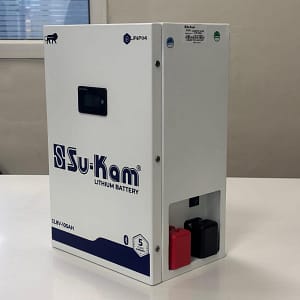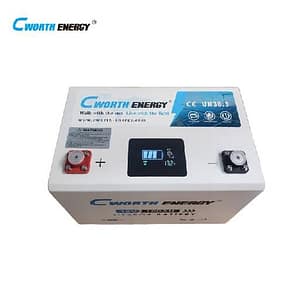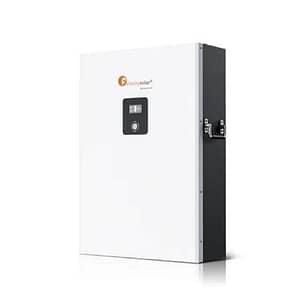
Battery storage system technology
has developed rapidly in recent years. This has largely been driven by ever-increasing demand for portable batteries with high energy density, for the electronics industry and now, for use in electric vehicles (EVs).
The biggest gains have been in lithium-ion technology, but there are many other battery technologies with different characteristics (for example, flow battery technologies) where rapid improvements are also being made. While many of the technological advances are being driven by other sectors, the power sector stands to be profoundly impacted by the increased ability to store electricity.
Before the Covid-19 pandemic, global deployment of batteries in the electricity sector was running at over 3GW per year. This includes both grid-scale (or utility-scale) deployments, and behind-the-meter applications, where BESS installations are used on an electricity consumer’s own premises.
The cost of battery storage system has also fallen rapidly. Again, these gains have been focused on lithium-ion batteries. The cost of lithium-ion battery cells has declined by 86% over the past few months.
Stated Policies scenario, this cost reduction trend is expected to continue, with costs declining by a further 40% to 2030, and 50% by 2040.
Sustained increases in metal prices could stall this trend. Despite recent increases in commodity
prices, the cost of batteries continued to decline in 2021, with Bloomberg New Energy Finance (BNEF)reporting cost reduction of 6% compared to 2020.
However, BNEF’s 2022 survey, published 1 in December 2022, reports an increase in prices of 7%. The IEA’s World Energy Outlook 2022 suggests that metal prices sustained at the levels seem during the first half of 2022 could results in costs increasing by as much as 35%.