Ethical hacking and black hat hacking differ by permission and intent. Here are the 3 legal differences and why written authorisation matters most.
Ethical Hacking vs Black Hat Hacking: The 3 Legal Differences


Ethical hacking and black hat hacking differ by permission and intent. Here are the 3 legal differences and why written authorisation matters most.

Learn the 12 main types of hacking, from ethical penetration testing to black hat and ransomware attacks, and how each one is spotted and stopped.

Social media security for individuals and firms: how accounts are taken over, why MFA beats a long password, which settings cut risk, and how to recover a page.

Online banking security for individuals and small firms: MFA that survives phishing, transaction alerts, spotting fraud early and the first hour of a hack.

Public wifi security in practice: what hotel and cafe networks really expose, how much HTTPS protects you, and the checks worth running before you connect.

What a VPN actually protects, why free VPNs are risky, how a VPN differs from Tor, and the honest list of situations where turning one on is worth the cost.

A practical guide to email security for Nigerian businesses: the anatomy of a phishing email, the checks that catch them, forwarding rules and account recovery.

What an SSL certificate proves, what it does not protect, free versus paid options, mixed content errors and the renewal failure that takes a site down.

Ransomware explained for small businesses: how attacks begin, what to do in the first hour, whether to pay, and the backups and MFA that prevent it.

Router security in 2026: change the admin password, update firmware, use WPA3, disable WPS and remote access, and move IoT devices to a guest network.
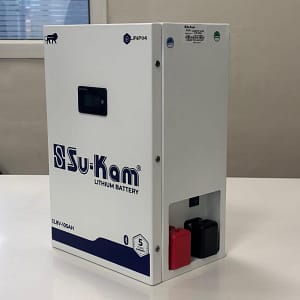 Sukam 12.8V Lithium Battery
Original price was: ₦ 270,000.₦ 265,000Current price is: ₦ 265,000.
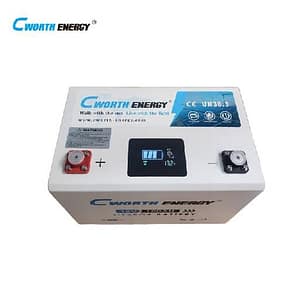 Cworth 12V Lithium Battery
Original price was: ₦ 270,000.₦ 260,000Current price is: ₦ 260,000.
 Felicity 15KWH Lithium Battery
₦ 4,700,000