

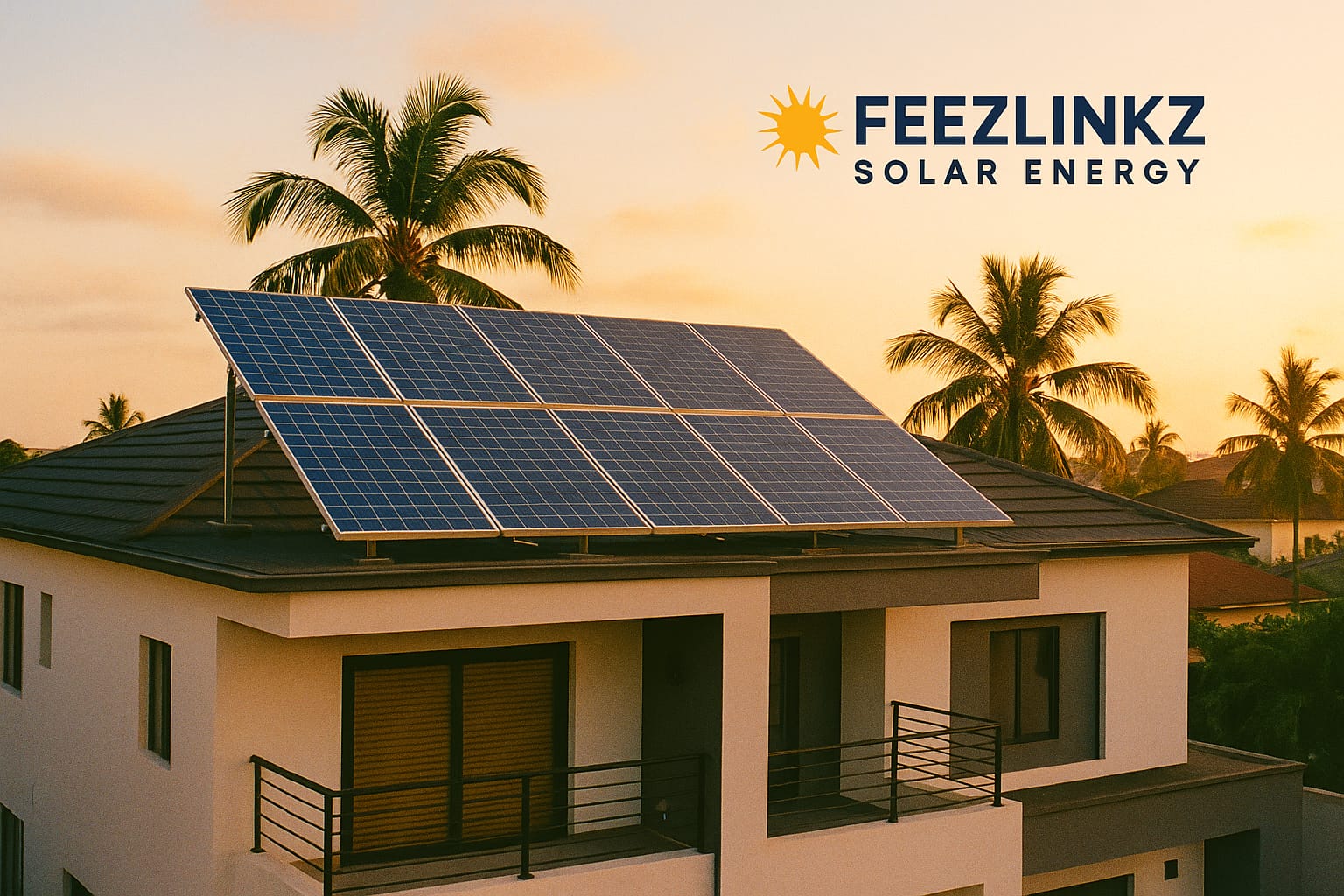
Grid outages, fluctuating tariffs, and diesel bills that never stop climbing have made 24/7 power feel like a luxury. In 2026, hybrid solar + battery systems finally solve that problem for good. They blend rooftop solar, smart inverters, and lithium storage so your home automatically chooses the cleanest, cheapest power available every hour of the day.
What “Hybrid” Really Means
A true hybrid setup combines four building blocks:
- PV array that harvests free sunlight.
- Inverter + charge controller to convert, manage, and prioritize energy flows.
- Battery storage sized for night-time and cloudy-hour loads.
- Grid/generator input as an emergency backup instead of the main event.
Feezlinkz engineers wire these components so your appliances seamlessly switch between sources without any manual changeover.
Why 2026 Is the Tipping Point
- Tariffs keep rising: Even modest households now spend ₦80,000–₦120,000 monthly to keep diesel/PHCN running. Hybrid systems slash that to a predictable service plan.
- Battery prices fell 22% YOY: Lithium iron phosphate packs deliver 6,000+ cycles, meaning a decade of daily use before capacity drops meaningfully.
- Financing finally fits: Feezlinkz bundles hardware, installation, and monitoring into payment plans that mirror what you already spend on fuel.
Naija Savings Snapshot
Here’s what families typically see after commissioning a 5 kW rooftop + 10 kWh storage system:
- Fuel replaced: 18–22L of diesel per week (~₦80,000+/month saved at ₦850/L).
- Runtime: 10–14 hours of overnight autonomy with fans, lights, freezer, TV, router, and small pumps
Need more autonomy? The Feezlinkz battery storage team stacks modules in 5 kWh steps until the numbers match your lifestyle.
How to Size Your System (Fast)
- Map critical loads: List the appliances that must stay on (e.g., lights, fridge, water pump) and note their wattage.
- Calculate daily energy: Multiply wattage by hours of use to get Wh, then add a 20% buffer.
- Match inverter capacity: Use the peak simultaneous wattage to pick the right inverter class. The Feezlinkz solar power inverter catalog covers 3 kVA to 15 kVA hybrids.
- Choose battery size: Divide total Wh by system voltage (usually 48 V) to know the required amp-hours, then select the closest commercial bundle.
- Plan for expansion: Leave roof space and battery rack capacity for EV chargers or future air conditioners.
Deployment Blueprint with Feezlinkz
- Site audit: Technicians measure roof pitch, shading, and wiring routes in under 90 minutes.
- Engineering design: You receive line diagrams, load calculations, and a financing/ROI sheet so decision makers sign off quickly.
- Installation & testing: Certified teams mount panels, configure the hybrid inverter, and run soak tests that simulate night-time switching.
- Monitoring & maintenance: Remote dashboards alert us before you notice a fault, and preventative visits keep warranties valid.
Bonus Integrations to Consider
- EV-ready circuits: A dedicated 8kW power inverter makes it painless to add an electric vehicle later.
- Security synergy: Stable power keeps your Feezlinkz CCTV cameras and routers online, so footage never drops during an outage.
- Smart load shedding: Prioritize sockets, not rooms, so high-draw devices pause automatically while essentials stay powered.
Ready for 24/7 Solar Confidence?
The perfect time to go hybrid was yesterday; the next best time is right now. Tell us how many hours of backup you want, and we’ll engineer a system that meets it without guesswork.
Book a consultation: Send the Feezlinkz team a note and get a tailored proposal (loads, bill of materials, and financing options) within 48 hours.

0 Comments