Solar Power Inverters
An inverter converts DC (direct current) electricity to AC (alternating current) electricity.
DC electricity is generated by solar panels. It is also used to charge a battery and is discharged by a battery. AC electricity is used to power appliances in your home or business and is supplied by the electricity grid.
Inverters for solar panels
A solar inverter converts the DC electricity generated by the solar panels into AC electricity.
Most commonly, solar panels are connected to a single string inverter, installed on a wall of the building.
However, some systems use multiple microinverters instead, which are installed on the roof, one for each solar panel.
Your solar retailer or installer should be able to advise you on the most suitable option for your system.
Before buying an inverter, use the Clean Energy Council's approved inverter list to check that it has been independently tested and meets electrical safety, product and quality standards.
String inverters
A ‘string’ is a group of solar panels connected together. A single string inverter may be connected to 2 or 3 strings.
Most household solar systems have a single string inverter, but a larger commercial system may include several string inverters.
String inverters are durable and, in most cases, the cheapest option. They typically last 10 years or more but are likely to need repair or replacement within the lifetime of your solar panels.
String inverters are wall-mounted, usually close to the switchboard and electricity meter. For best results (and longer life) they should not be exposed to direct sunlight.
Better performance is achieved by connecting panels under similar sunlight and shading conditions into the same string.
String inverters may not be the best option if the solar panels are installed on more than 3 roof sections with different slopes and directions, or if they are subject to a lot of shading.
Microinverters
A microinverter is attached to each panel in the system, usually underneath the panels.
Microinverters enable the solar panels to work independently of each other. They can be suitable for systems with panels on multiple roof sections with different slopes and orientations.
Microinverters may offer better performance for systems where some or all of the panels are shaded. They also have the advantage that, if one microinverter fails, the other panels and microinverters will still work.
Systems with microinverters are typically more expensive than those with string inverters but they may last longer, with some having warranties up to 25 years. Microinverters can also enable more detailed monitoring of the system.
Optimisers
Optimisers (also known as power optimisers or DC optimisers) can be added to solar systems with string inverters. Like microinverters, they are installed under the solar panels on the roof, with one connected to each panel. They enable the panels to work independently.
Similar to microinverters, optimisers can offer better performance for systems on multiple roof sections with different slopes and orientations, or for partially shaded systems.
Optimisers can also enable more detailed monitoring of the system.
Optimisers with string inverters are generally cheaper than micro inverter systems, but both have advantages and disadvantages. Talk to your solar retailer or installer about the best option for your system.
Smart meters
A smart meter records electricity usage in your home or business every 15 or 30 minutes. If you get solar, you will need a smart meter. In most jurisdictions this is installed for free by your electricity retailer, but there may be a charge if the installation includes switchboard upgrades.
Smart meters provide detailed information about how much grid electricity you use and when you use it. The meter data is sent automatically to your electricity retailer so that a manual meter reading is unnecessary. With solar, a smart meter also monitors how much solar generation is exported to the grid.
Inverters for batteries
Battery inverters
A battery inverter converts DC electricity discharged by a battery to AC electricity for use in your home or business appliances. A battery inverter also includes:
-
A power regulator that converts AC electricity to DC to charge the battery
Battery management system to control when and how fast the battery charges and discharges.
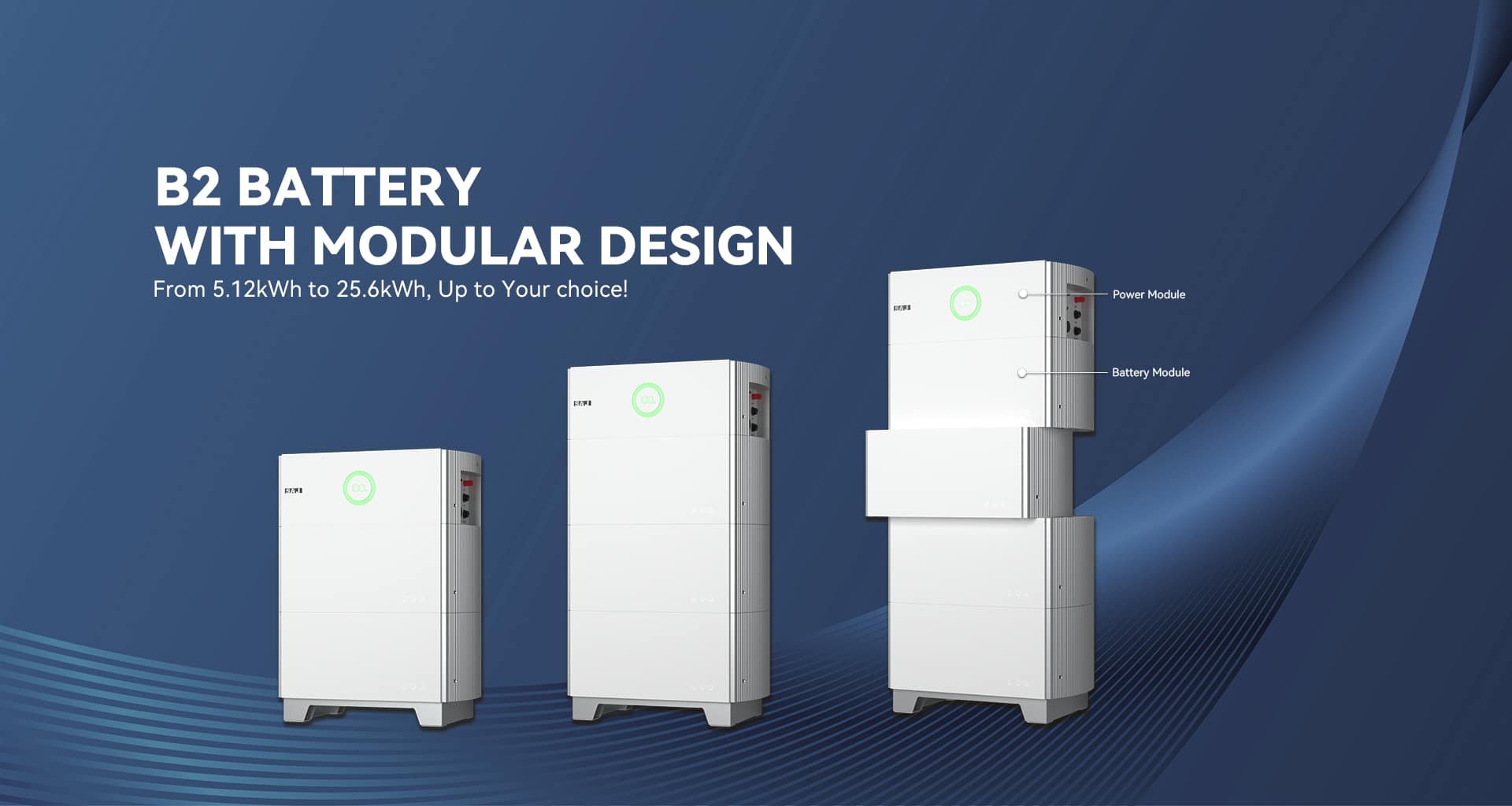
Some battery inverters are integrated with the battery into a single unit, while others are separate.
If you are adding a battery to an existing solar system, you can usually keep your existing solar inverter(s) and add a battery inverter. This is known as an AC-coupled battery system because the solar inverter and battery inverter are joined by an AC connection.
Hybrid inverters
A hybrid inverter combines the functions of a solar inverter and a battery inverter in a single unit.
Hybrid inverters cannot be connected to a system with microinverters or to a battery with an inverter integrated in the same unit.
A hybrid inverter may be a good option if you are installing solar and a battery at the same time. This is known as a DC-coupled battery system because the solar and battery are joined by a DC connection.
Learn more about types of battery systems.
Single-phase and 3-phase inverters
A single-phase supply provides mains electricity to your property through 3 wires. A three-phase supply uses 5 wires and provides more electricity to run more or larger appliances. There are also a few properties with a two-phase supply, using 4 wires.
If you have a single-phase supply, your inverter must be single phase.
If your property has a 3-phase electricity supply, your solar system could use either a single-phase or a 3-phase inverter.
A 3-phase inverter is more expensive but offers higher power capacity (a bigger system size).
Where the distribution network service provider sets connection and export limits per phase, a 3-phase system would have higher connection and export limits.
In a property with a 3-phase network connection, a single-phase system will have the same cost-reduction benefits as a 3-phase system, with solar self-consumption across all 3 phases.
If you are installing a battery for back-up supply during power outages, note that single-phase batteries or hybrid inverter systems will only provide back-up to circuits connected to the one phase.
With the double-digit percentage increase in the rate of inverters, it has become a matter of utmost importance to extend their life. To increase the longevity of the solar power inverters, we need to follow a regular care routine. This will not only help in saving money, but.
Offer a sustainable, resilient, and cleaner power future with lower maintenance and stable operating expenses after initial setup.
Lowers or eliminate long-term energy cost
Cleaner air reduces respiratory and other health issues associated with fossil fuel pollution, lowering healthcare costs.
Our goal towards our clients is to resolve all energy and security monitoring issues in a warm and professional environment to inspire our customers delight every time. For our employees, we strive to provide the best conditions and equipments to create extremely satisfied and loyal customers. In contrast, battery disconnect issues may cause variety of difficulties and problems-.
Issues like arcing, causing cables to breaking down, power accessory malfunctions, false warning lights and even lead to damage of featured electric modules.
Hybrid Solar Power Inverters Pricelist.